
The Politics of the Beast Label
Fantastic Beasts and Where to Find ThemThis flow explores how the label “beast” can express administrative convenience, a creature’s own wishes, or a disputed judgment about capacity and danger.
increasing Bearing strength in each event
 decreasing
Bearing strength in each eventdecreasingA Label with Legal Weight
A Label with Legal Weight
Beyond naming
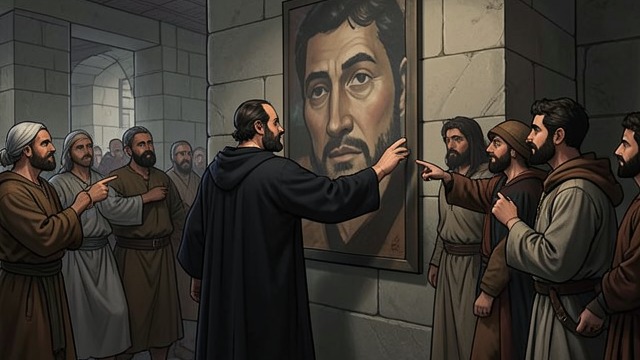
Newt Scamander explains that calling a creature a “being” concerns legal rights and a voice in governance. The opposing label of “beast” therefore has consequences beyond description.
Difficult examples
Werewolves may live most of the time as humans, Centaurs possess intelligence but reject wizard society, and Trolls have humanoid form without comparable intelligence. No single visible trait resolves the question.
The book asks readers to distinguish appearance from political capacity. Classification becomes a question about who counts, who decides, and what obligations follow from the answer.
Centaurs Choose Separation
Centaurs Choose Separation
Refusing an imposed identity
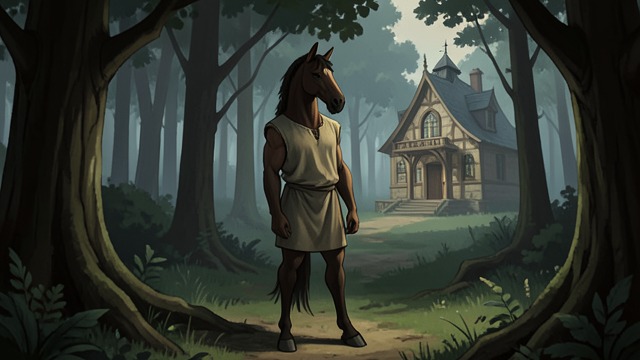
Centaurs reject being status and request to remain classified as beasts. Their decision is not presented as evidence of lesser intelligence but as a refusal of the terms under which wizard authorities offer inclusion.
Institutional distance
They prefer to manage their own affairs separately from wizards. Although the Ministry maintains a Centaur Liaison Office, no Centaur uses it.
Their choice challenges the assumption that legal recognition is always desired. Status can be offered as a privilege while still failing to respect a community’s preference for autonomy.
Merpeople and Translation
Merpeople and Translation
A language boundary
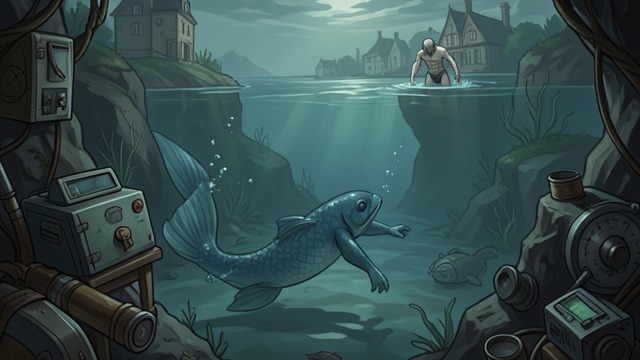
Merpeople cannot converse above water except in Mermish, a barrier that earlier councils use to exclude them. Their communication differs from the human language chosen as a political test.
Participation made possible
Under Grogan Stump’s definition, translators allow Merpeople to become beings. The shift shows that a council can alter the terms of access instead of treating language difference as proof of incapacity.
The case gives practical meaning to inclusion. Recognition requires institutions to make communication possible, not simply to measure whether others already speak in the accepted way.
Werewolves Between Divisions
Werewolves Between Divisions
A category that shifts
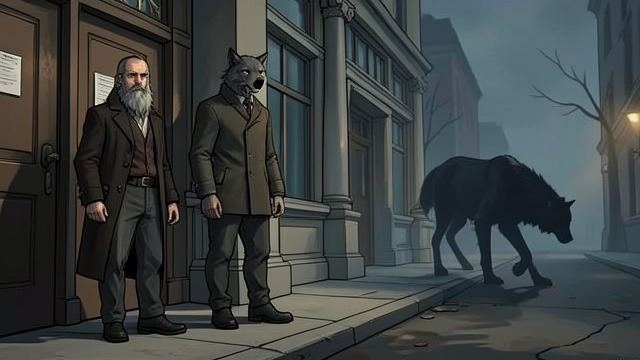
Werewolves move between the Beast and Being divisions over many years. Their ordinary human state and transformed state complicate any stable administrative label.
Services divided by office
Werewolf Support Services belongs to the Being Division, while the Werewolf Registry and Werewolf Capture Unit fall under the Beast Division. A single condition is thus managed through conflicting institutional frameworks.
The divided administration reflects a deeper struggle over personhood and danger. The same people can be approached as citizens needing support and as creatures subject to registration and capture.
Danger as a Reason for Exclusion
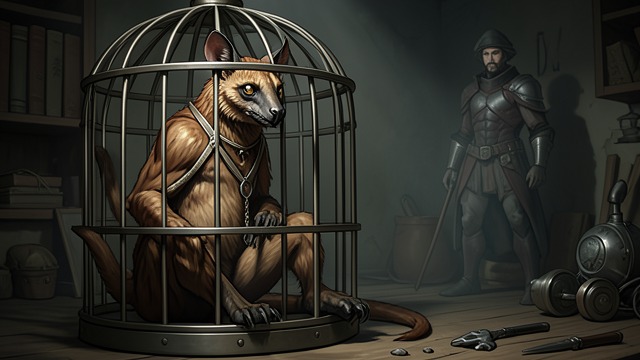
Danger as a Reason for Exclusion
Intelligence is not enough
Acromantulas and Manticores can speak intelligently, but they may try to devour humans. The Sphinx communicates through riddles and becomes violent when given the wrong answer.
Capacity weighed against conduct
Such creatures remain classified as beasts because their violent natures prevent them from fitting straightforwardly into legal participation. A voice and intelligence do not automatically guarantee a workable civic relationship.
The examples reveal the tension between recognizing capacity and protecting others. Classification is not simply a measure of intellect; it also reflects judgments about how a creature behaves and what risks it poses.
when Newt defines the being-and-beast question
after the status of beings is offered to Centaurs
1811
at the time Newt writes his introduction
when Newt discusses highly intelligent beasts
